
WASHINGTON/RIYADH, July 25, 2026 — The United States paused its air campaign against Iran overnight, marking the first night without an American strike after nearly two weeks of continuous military operations. Washington did not immediately provide an official explanation for the interruption.
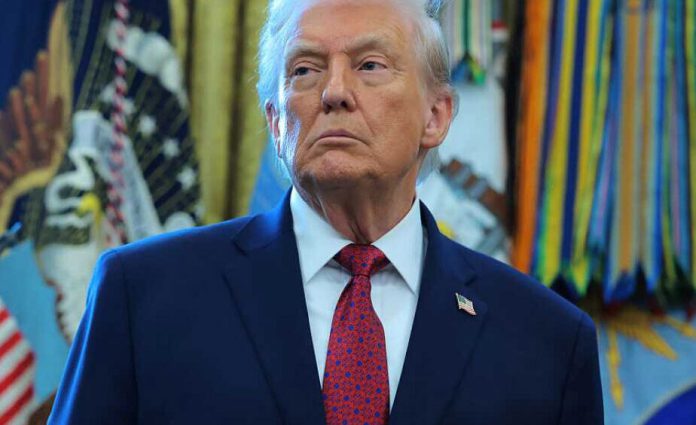
The pause came after 13 consecutive nights of U.S. attacks against Iranian targets. President Donald Trump said Friday that communication with Tehran was continuing, although he acknowledged that no agreement had yet been reached.
While fighting temporarily eased in the Gulf, the conflict appeared to widen along the Red Sea. Yemen’s Iran-aligned Houthi movement said it launched attacks against Saudi Aramco installations in the coastal cities of Jizan and Yanbu.
Greek security officials said two ballistic missiles heading toward energy facilities in Yanbu were intercepted by a Patriot air-defence system operated by Greek personnel under an agreement with Saudi Arabia.
Reuters verified footage showing a large plume of smoke rising from the direction of the Jizan refinery. Trading sources reported possible damage to fuel-storage facilities, but Saudi Aramco had not publicly confirmed the extent of any damage at the time of reporting.
Yanbu is Saudi Arabia’s main oil-exporting port on the Red Sea. Its strategic importance has increased as disruption in the Strait of Hormuz has forced producers and shipping companies to consider alternative routes. Jizan is home to a refinery capable of processing approximately 400,000 barrels of oil per day.
The latest attacks also threaten Yemen’s fragile internal ceasefire. Saudi-backed forces reportedly carried out strikes against Houthi missile sites, drone-launching positions and weapons storage facilities.
Why it matters
A prolonged conflict affecting both the Strait of Hormuz and the Red Sea could disrupt two of the world’s most important energy corridors, drive up shipping costs and place further pressure on global oil prices.