
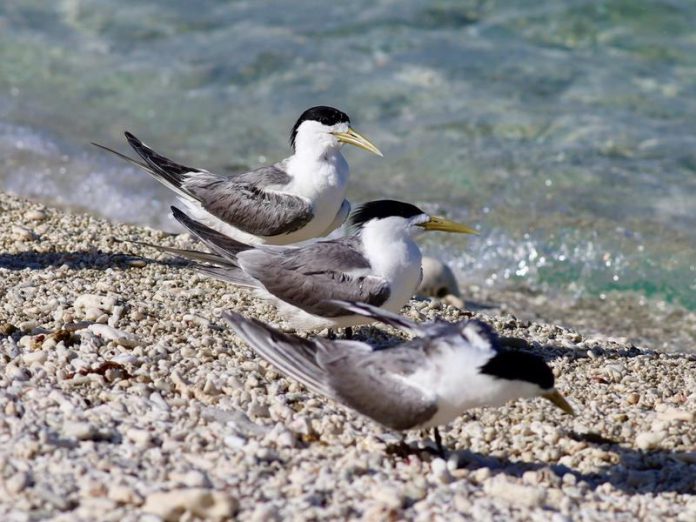
CANBERRA/ADELAIDE, August 3, 2026 — Australian authorities have confirmed the country’s first mass-death event among wild seabirds linked to the highly pathogenic H5N1 strain of avian influenza.
Laboratory testing detected the virus among greater crested terns found on rocks near Cape Jaffa, approximately 250 kilometres southeast of Adelaide. Officials reported that 49 birds were found dead and another 35 were sick when the location was inspected through helicopter surveillance.
Australia has now recorded 74 confirmed H5N1 cases among wildlife across several states, although most have been detected in South Australia. Agriculture Minister Julie Collins warned that further transmission and larger losses among wild animals were likely because the virus was already circulating in the natural environment.
No H5N1 infection has been identified at an Australian poultry farm. Producers have nevertheless introduced tighter biosecurity controls, including restrictions on movement, surveillance of wild birds and increased testing.
The virus can infect people who have close contact with infected animals, but confirmed human cases remain uncommon and health authorities currently assess the risk to the general public as low.
Why it matters: H5N1 has killed hundreds of millions of birds and mammals internationally, caused substantial financial losses to poultry producers and infected dairy cattle in the United States. Wider transmission in Australia could affect wildlife conservation, commercial farms and people who work directly with animals.