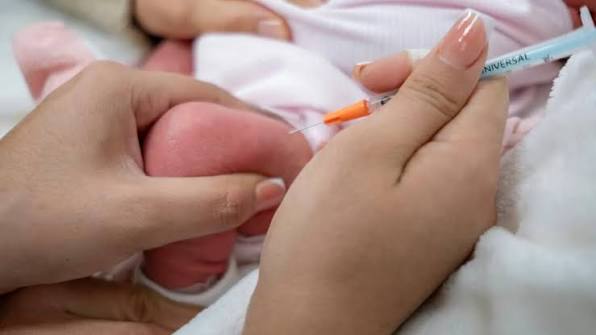
A growing number of American parents are declining or delaying the vitamin K injection routinely offered to newborn babies, raising concerns among pediatricians about preventable and potentially life-threatening bleeding.
An analysis by healthcare-data company Truveta examined records covering more than one million births. It found that the monthly rate of newborns not receiving the injection within one day of birth increased by more than 57% between January and June 2026. The average non-receipt rate during the first half of 2026 was approximately 2.5 times the average recorded from 2019 to 2024 and 1.4 times the 2025 level.
Babies are born with relatively small reserves of vitamin K, which the body requires to form blood clots. Without preventive treatment, vitamin K deficiency can result in internal bleeding, including hemorrhaging in the brain or digestive system. Medical research indicates that babies who do not receive the injection are about 81 times more likely to develop vitamin K deficiency bleeding.
Health professionals emphasize that the vitamin K injection is not a vaccine. It is a preventive medication that has been widely administered to newborns for decades.
Why it matters: Doctors are concerned that misinformation about vaccines and other medical treatments may be influencing parental decisions about established newborn care.