Talks begin after Sonam Wangchuk ends his 26-day hunger strike, but protesters say demonstrations will continue
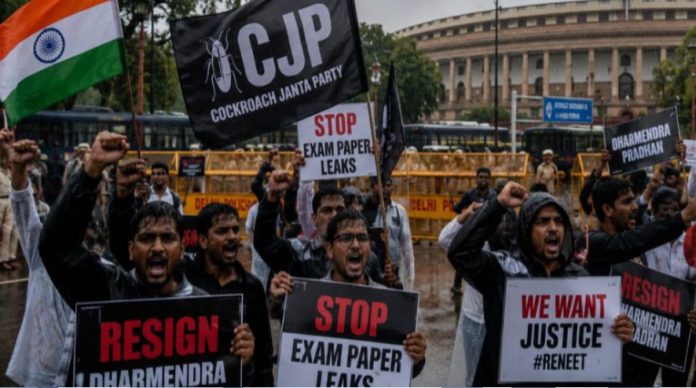
NEW DELHI, July 24, 2026 — India’s federal government has asked youth protest leaders for additional time to respond to their demand that Education Minister Dharmendra Pradhan resign over examination-paper leaks.
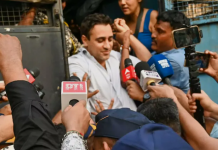
Representatives of the government and the self-named Cockroach Janta Party held their first substantive negotiations following weeks of demonstrations. The government was represented by senior ministers J.P. Nadda and Jitendra Singh, while Saurav Das and Ashutosh Ranka represented the protest movement.
According to the protest representatives, officials requested until Saturday afternoon to respond to the resignation demand. The government described the discussions as cordial and said the two sides would meet again.
The protesters have presented three principal demands: Pradhan’s resignation, withdrawal of police cases registered against demonstrators and compensation for the families of students reportedly driven to suicide following the examination controversy.
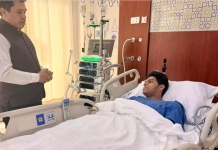
The meeting took place shortly after education and environmental activist Sonam Wangchuk ended a 26-day hunger strike. His decision increased expectations that negotiations might produce a settlement, although organizers said their campaign would continue until the government provided a satisfactory response.
The protests followed allegations that leaked examination papers affected a major medical entrance test involving approximately two million students. The controversy has expanded beyond examination management, with participants also raising concerns about unemployment, fairness in recruitment and government accountability.
Opposition parties have supported several demands and repeatedly disrupted proceedings during Parliament’s Monsoon Session. The movement has consequently become a significant political challenge for Prime Minister Narendra Modi’s government.
The talks represent a potential opening for compromise, but the central disagreement remains unresolved: protest leaders insist that institutional reforms alone are insufficient without political accountability at the ministerial level.