
Iran Rejects Omani Plan for Strait of Hormuz as Washington Targets Tankers and Insurers
DUBAI/WASHINGTON, July 30, 2026 — Iran has rejected an Omani proposal to place commercial navigation through the Strait of Hormuz under a regional management system, reducing expectations of an early diplomatic solution to the shipping crisis.
The Omani proposal, reportedly supported by several Gulf governments, called for Iran, Oman and other regional participants to cooperate in managing navigation. It also envisioned voluntary payments from shipping companies to support search-and-rescue services, environmental protection and maritime safety.
A senior Iranian official told Reuters that Tehran would accept management only by Iran and Oman, based on the waters controlled by each country. Iran also insisted that the entire inbound channel and part of the outbound route should remain under its authority.
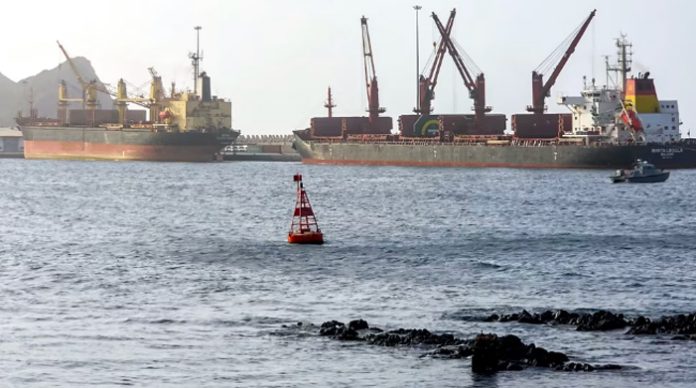
The strait has been largely obstructed since the conflict intensified. Before the disruption, approximately one-fifth of the world’s oil supply passed through the narrow waterway linking the Persian Gulf with the Indian Ocean.
In a parallel development, the U.S. Treasury imposed sanctions on 10 organizations and eight additional tankers. Washington accused Iran of trying to generate revenue from control of the strait and said the targeted network supported Iranian oil exports and the Islamic Revolutionary Guard Corps.
Iran also reported stopping three commercial vessels in the strait. Full details about the ships and their status were not immediately available.
Why it matters: Continued restrictions at Hormuz could disrupt oil and liquefied-natural-gas shipments, increase marine-insurance premiums and contribute to higher inflation internationally.
Status: Iran’s rejection and the U.S. sanctions are confirmed. Negotiations remain fluid, and no replacement plan for reopening the waterway has been announced.