
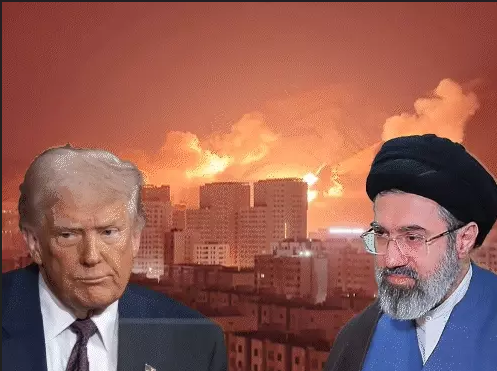
Both countries have temporarily halted military strikes as regional mediators work to prevent another escalation around the Strait of Hormuz
WASHINGTON/TEHRAN, July 27, 2026 — A temporary pause in military attacks between the United States and Iran has raised cautious hopes that diplomatic efforts could prevent the conflict from returning to full-scale hostilities.
Iranian officials have indicated that Tehran will refrain from launching further attacks as long as the United States continues to suspend its airstrikes. American forces reportedly carried out no new bombing operations during the weekend, following nearly two weeks of sustained strikes against Iranian targets.
The restraint shown by both countries does not constitute a formal ceasefire. The United States continues to maintain a naval blockade, while commercial movement through the strategically important Strait of Hormuz remains disrupted.
Diplomatic discussions are reportedly continuing through regional intermediaries. Oman, Qatar and Pakistan have been involved in efforts to reduce tensions and establish conditions for more structured negotiations.
The Strait of Hormuz is one of the world’s most important energy corridors, handling approximately one-fifth of internationally traded petroleum. Any prolonged disruption could affect fuel prices, transportation expenses and the cost of consumer goods worldwide.
Energy markets responded positively to the reduction in hostilities. Oil prices declined after previously climbing above US$100 per barrel during the escalation. However, uncertainty remains because the parties have not announced a permanent settlement covering maritime security, Iran’s nuclear programme or the American blockade.
The latest pause offers negotiators a limited opportunity to pursue a diplomatic solution. Its success will depend on whether Washington and Tehran can transform their temporary restraint into a verifiable and lasting agreement.
Publication date: July 27, 2026
Sources: Reuters, Associated Press