
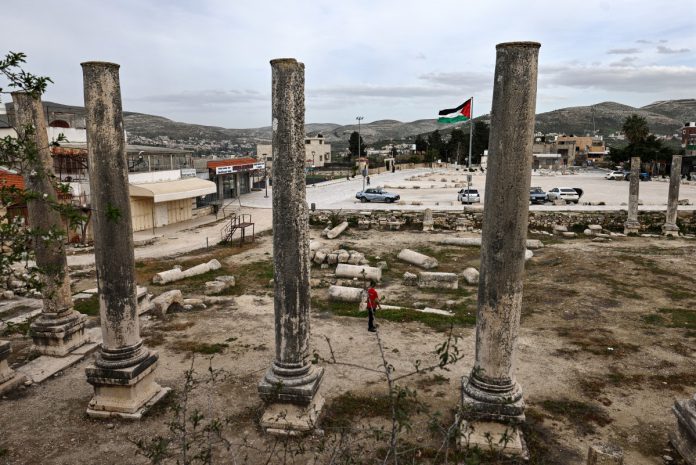
RAMALLAH, July 25, 2026 — UNESCO has formally recognized the ancient West Bank village of Sebastia as a World Heritage Site while also placing it on the List of World Heritage in Danger.
Located near Nablus in the Israeli-occupied West Bank, Sebastia contains archaeological remains representing several civilizations and historical periods. UNESCO traces the site’s history from at least the ninth century BC through the Hellenistic, Roman, Byzantine, Islamic, Crusader and Ottoman eras.
The area includes ancient walls, Roman columns, stone stairways and an amphitheatre. Christian tradition also associates Sebastia with the burial place of John the Baptist.
Palestinian officials welcomed the UNESCO decision, expressing hope that international recognition would help protect the site and the surrounding land. Many residents depend on tourism and agriculture, including olive cultivation, for their livelihoods.
The designation comes amid a dispute over Israeli plans concerning approximately 1,800 dunams—about 445 acres—of land around the archaeological area. Israel says its plans are intended to develop and preserve the historic site. Palestinian officials contend that the initiative involves land confiscation and could facilitate further settlement expansion.
Israel criticized UNESCO’s decision as political. Palestinians maintain that the listing is necessary to protect a culturally significant site located within occupied territory.
Placement on the endangered list does not by itself determine sovereignty or automatically cancel construction and land decisions. It does, however, increase international monitoring and may support preservation efforts.
Why it matters
Sebastia carries archaeological and religious importance for multiple communities. Its UNESCO designation adds cultural preservation to the broader dispute over land, sovereignty and settlement activity in the West Bank.