
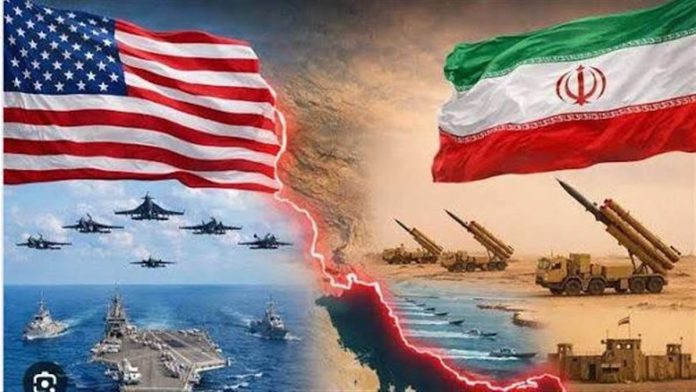
The United States has announced a wider sanctions campaign designed to restrict Iran’s access to revenue from international trade and financial transactions.
U.S. Treasury Secretary Scott Bessent warned that foreign governments, financial institutions and companies continuing certain dealings with Iran could also face American secondary sanctions. Washington has not yet published a complete list of the countries or businesses likely to be affected.
China, Turkey and the United Arab Emirates remain among Iran’s most important trading partners. As pressure on the Iranian economy increased, the rial reportedly fell to a record market rate of approximately 2.02 million against the U.S. dollar. Iran’s official exchange rate remained considerably stronger, but most consumers and businesses depend on the open-market rate.
Tehran rejected the American measures and maintained that international partners would continue trading with the country.
Why it matters: Wider secondary sanctions could affect global banks, shipping companies and energy buyers. The confrontation may also increase tensions around the Strait of Hormuz, a critical route for international oil and gas supplies.
Status: Sanctions announced; targets and enforcement details developing