
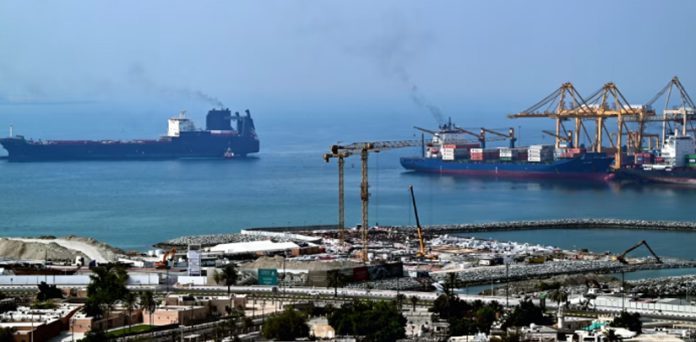
WASHINGTON/TEHRAN, July 24, 2026 — Global oil prices remained volatile Friday as continued fighting involving the United States and Iran increased risks to energy shipments through the Strait of Hormuz and the Red Sea.
U.S. military operations against Iran reportedly continued for a 13th consecutive night. Meanwhile, Yemen’s Houthi movement claimed attacks on two Saudi-linked oil tankers and threatened further action against vessels using Saudi energy terminals.
President Donald Trump warned that attacks on commercial shipping would bring a major American response. Iran has publicly supported Houthi threats concerning the Bab el-Mandeb Strait, although independently verified evidence establishing Tehran’s operational role in the reported tanker attacks was not immediately available.
Brent crude settled near $96.78 a barrel, down approximately 3.9% on Friday, while U.S. West Texas Intermediate fell to about $89.31. Despite the daily decline, the benchmarks recorded weekly gains of nearly 10% and 8%, respectively.
Prices retreated following reports that China was encouraging renewed negotiations between Washington and Tehran. Earlier, Brent had climbed above $100 as traders assessed attacks, reduced tanker movement and production cuts linked to separate disruptions in the Black Sea region.
Some operators are rerouting ships around southern Africa. The diversion can add several weeks to voyages between Asia and Europe, increasing fuel, insurance and freight expenses.
Why it matters: The Strait of Hormuz and Bab el-Mandeb are critical global energy corridors. Extended disruption could raise transportation costs, fuel inflation and reduce oil availability across international markets.


