
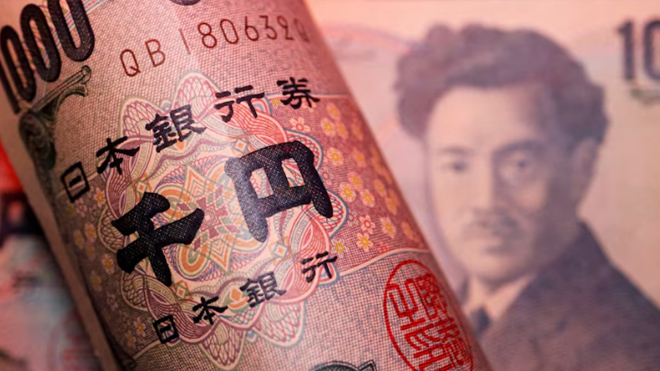
TOKYO, August 4, 2026 — The Japanese yen retained most of the gains achieved through a rare coordinated currency-market intervention by Japan and the United States, leaving traders cautious about making fresh bets against the currency.
The yen traded near 157.35 against the U.S. dollar during early Asian trading on Tuesday. Although slightly weaker for the session, it remained well above its recent four-decade low after gaining as much as 5% over three trading days. It had briefly reached a three-month high of approximately 155.20 per dollar.
Bank of Japan data indicate that Tokyo may have spent as much as $36.58 billion in its latest intervention. That may have followed an earlier operation estimated at up to $58.97 billion. Japan’s Finance Ministry said both countries were prepared to act again if excessive currency movements continued.
Market sources reported that the U.S. Treasury may have sold euros—not dollars—to purchase yen. Analysts described that approach as highly unusual, suggesting Washington wanted to assist Japan without creating the impression that it was deliberately weakening the dollar.
Why it matters: A stronger yen can lower Japan’s cost of importing oil, food and industrial materials, easing pressure on household budgets. At the same time, large government interventions can produce sudden movements across global currency, equity and bond markets.