
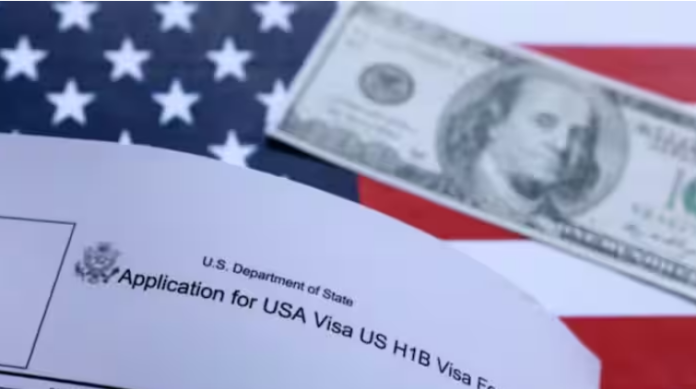
H-1B, L-1, O-1 and several other visa holders could face immediate status pressure if rule is finalized
The U.S. Department of Homeland Security has proposed eliminating the discretionary grace period of up to 60 days currently available to certain foreign workers after their employment ends.
Under existing rules, workers in categories such as H-1B, H-1B1, L-1, O-1, E-1, E-2, E-3 and TN may generally remain in the United States for up to 60 days after losing their job, or until the end of their authorized stay, whichever comes first. That period can give workers time to find another sponsoring employer, change immigration status or prepare to leave the country.
If the proposed rule is finalized in its current form, that automatic grace-period protection would be removed. A worker whose qualifying employment ends could therefore lose the buffer that currently allows time to make alternative immigration arrangements.
DHS says the change would restore a closer connection between a person’s temporary immigration status and the job or activity that formed the basis of that status. The department also argues that removing the grace period could reduce administrative burdens.
The proposal could have a particularly significant impact on Indian professionals because Indians account for a large share of workers using employment-based visa programs such as H-1B.
For technology professionals and other skilled workers, losing a job could become far more disruptive if the proposal takes effect. Employers considering layoffs may also face additional pressure because affected workers would have less time to secure new sponsorship.
However, the rule has not yet taken effect. DHS has issued it as a Notice of Proposed Rulemaking, and the proposal is subject to a public comment period before any final rule can be adopted. Until a final rule is issued and becomes effective, the existing grace-period provisions remain in place.


