
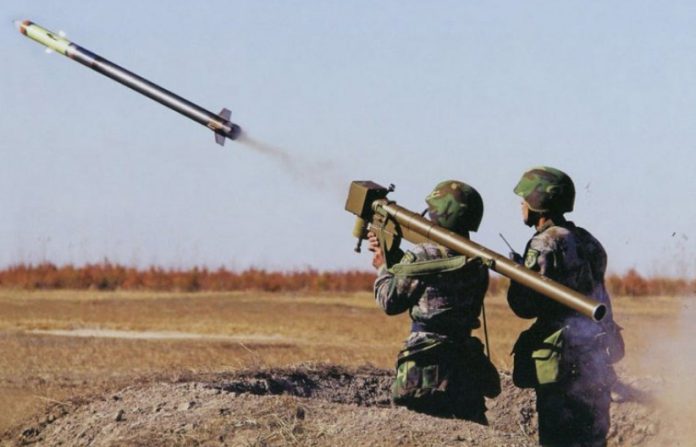
Iran Reportedly Signs $60–70 Million Deal for Chinese-Made Portable Air-Defence Weapons
BEIJING/TEHRAN, July 30, 2026 — Iran is expected to receive between 300 and 400 Chinese-made portable air-defence systems under an agreement valued at approximately US$60 million to US$70 million, according to three sources familiar with the reported transaction.
The contract reportedly covers QW-12 and FN-16 man-portable air-defence systems, commonly known as MANPADS. These infrared-guided weapons are designed to engage low-flying aircraft, helicopters and drones.
The reported transaction was arranged through Zhongqing Baoshang International Investment, a Hong Kong-based company that allegedly …
[4:35 pm, 29/07/2026] D5: Carney Rules Out Using Canadian Oil as Immediate Leverage in U.S. Trade Dispute
Carney Says Restricting Oil Exports Would Damage Canada’s Reputation as Reliable Supplier
OTTAWA, July 29, 2026 — Prime Minister Mark Carney has rejected calls to use Canadian oil exports as an immediate bargaining tool in the country’s escalating trade dispute with the United States, saying such action could damage Canada’s international credibility.
The issue arose after U.S. President Donald Trump threatened Canada with additional trade measures and indicated that renewing the Canada–United States–Mexico Agreement was not a priority for him.
Carney said the two governments had agreed to intensify trade negotiations. Although he previously stated that all options would be considered if Washington introduced further tariffs, he cautioned strongly against interrupting shipments of an essential commodity.
Canada is the largest foreign supplier of crude oil to the United States, with Alberta producing most of the exported volume. Alberta’s government has also opposed restrictions on oil shipments or the introduction of export duties.
Limiting exports could disrupt supplies to American refineries, particularly in the Midwest, where many facilities are configured to process Canadian heavy crude. Such action, however, could also reduce revenue for Canadian producers and governments.
Carney argued that Canada’s reputation for reliability was itself an important economic asset and should not be put at risk without careful consideration.
Why it matters: Energy exports give Canada considerable economic influence, but using them as political leverage could carry significant costs for workers, producers, provincial governments and the wider Canada–U.S. relationship.
Status: Carney’s comments and Alberta’s opposition are confirmed. No restriction or export tax has been announced.