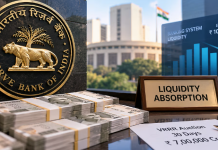

Negotiations are described as nearly complete, but the two governments have not released a final agreement
MANILA/NEW DELHI, July 23, 2026 — A long-awaited trade agreement between India and the United States could be signed within three to four months, according to a senior American official involved in regional meetings in Manila.
The official, who spoke anonymously, said negotiators had substantially completed the proposed agreement. However, its signing reportedly depends partly on the conclusion of ongoing U.S. trade investigations that could affect tariff policy.
Because neither government has published a final document or jointly confirmed a signing date, the proposed timetable should be considered provisional.
The negotiations are intended to expand market access, lower selected trade barriers and provide greater certainty for companies operating between the two countries. Agriculture, industrial goods, digital commerce and pharmaceuticals have been among the sensitive areas discussed during previous rounds of engagement.
India’s pharmaceutical industry has a particularly large stake in the negotiations. According to figures reported by Reuters, India exports approximately $9.7 billion in generic medicines to the United States, accounting for nearly 38% of the country’s pharmaceutical exports.
The Trump administration has said generic-drug imports will remain exempt from additional tariffs until August 2028. Any change after that date could have major consequences for Indian manufacturers as well as American healthcare providers and consumers who rely on lower-cost medicines.
India has previously maintained that it will sign an agreement only if the final framework provides meaningful and competitive access for Indian products. Questions also remain about possible U.S. actions arising from Section 301 investigations into trade practices affecting several countries.
The announcement represents evidence of progress, but it does not constitute a completed trade deal. Tariff schedules, exemptions, enforcement provisions and implementation dates will remain uncertain until an official text is released.
[9:59 pm, 22/07/2026] D5: Japan Records Wider Trade Deficit as Weak Yen and Energy Costs Drive Imports Higher
June imports reached ¥11.3 trillion while the Japanese currency fell to its weakest level in four decades
TOKYO, July 22, 2026 — Japan’s trade balance deteriorated in June as rising energy costs and a sharply weaker yen pushed the value of imports to a record level.
Finance Ministry data showed imports increasing 25.4% from a year earlier to approximately ¥11.3 trillion, or about $69 billion. Exports rose 19.3% to roughly ¥10.9 trillion.
The faster increase in imports produced a trade deficit of ¥406.9 billion, equivalent to approximately $2.5 billion. A year earlier, Japan had recorded a surplus of about ¥122 billion during the same month.
Higher petroleum costs contributed significantly to the increase. Disruption involving shipping around the Strait of Hormuz, combined with the U.S.–Iran conflict, has placed upward pressure on international energy prices. Japan imports much of its oil and natural gas, leaving its economy particularly exposed to supply interruptions.
The yen also weakened beyond 163 to the U.S. dollar, its lowest level since 1986. A falling yen makes Japanese exports more competitive abroad but increases the domestic cost of imported fuel, food and industrial materials.
Japan’s finance minister said authorities were prepared to take decisive action against excessive currency movements, raising expectations that Tokyo could intervene in foreign-exchange markets.
During the first half of 2026, Japanese exports rose approximately 14% to ¥60.6 trillion, while imports increased nearly 11% to ¥61.9 trillion. The country consequently recorded a trade deficit of more than ¥1 trillion for the six-month period.
The latest figures increase pressure on the Bank of Japan, which must balance inflation risks against concerns that higher interest rates could weaken economic activity and raise borrowing costs for the heavily indebted government.