
Artificial intelligence, trade and strategic competition are expected to feature in anticipated high-level talks
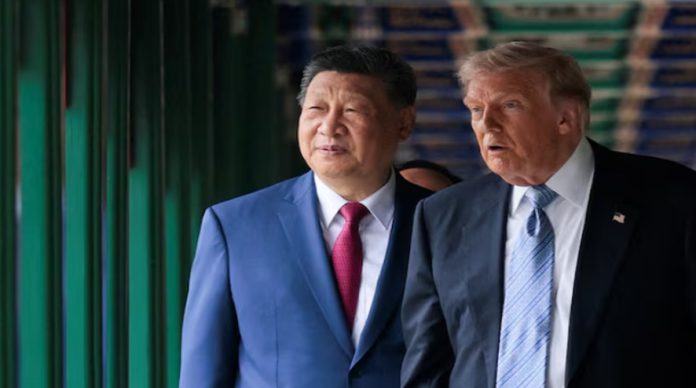
WASHINGTON, July 24, 2026 — U.S. President Donald Trump says Chinese President Xi Jinping will visit the United States on September 24, setting the stage for another high-level meeting between the leaders of the world’s two largest economies.
Trump said artificial intelligence would be among the subjects discussed during the visit. The two leaders had previously spoken about AI when Trump travelled to Beijing earlier in 2026.
The expected visit follows talks between U.S. Secretary of State Marco Rubio and Chinese Foreign Minister Wang Yi. According to the American account, the two diplomats discussed identifying areas of cooperation and preparing the groundwork for a productive presidential meeting.
Neither Trump’s announcement nor the initial diplomatic statements provided a complete agenda. Trade, tariffs, advanced semiconductor restrictions, Taiwan, regional security and military applications of artificial intelligence are nevertheless likely to shape the wider diplomatic environment.
The United States and China are simultaneously economic partners and strategic competitors. Bilateral trade supports major industries in both countries, but disagreements over technology, supply chains, export controls and security continue to create uncertainty.
Artificial intelligence has become an especially sensitive area. Washington seeks to protect advanced computing technologies and limit their military use by rivals, while Beijing opposes restrictions it considers an attempt to contain China’s development.
The September meeting could help both governments manage tensions and establish channels for further negotiations. It could also affect global markets because changes in U.S.–China trade policy have consequences for manufacturers, investors and consumers worldwide.
Trump publicly announced the date, but Beijing had not released a comparably detailed confirmation at the time of the initial report. The visit should therefore continue to be described as an announcement by the American president until both governments publish a finalized schedule.


